Triple Crown Roofing: Prepare for Hurricane Season with Metal Roofing
How to Prevent Heat Loss and Improve Energy Efficiency with Metal Roof Thermal Bridging Solutions
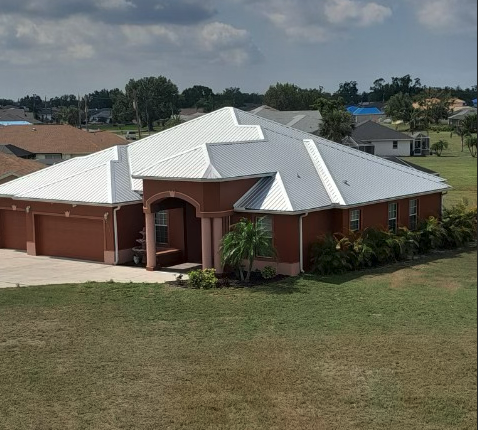
Hey, Zephyrhills Homeowners!
Hi there! I’m Ryan from Triple Crown Roofing, and today, I want to talk about something that many homeowners don’t even realize could be impacting their energy bills and home comfort—metal roof thermal bridging.
If you’re thinking, “Thermal what?”—don’t worry, I’ve got you covered. Simply put, thermal bridging occurs when heat escapes or enters your home through highly conductive materials—in this case, the metal components of your roof.
Here in Central Florida, where temperatures can skyrocket in the summer and drop on cooler nights, addressing metal roof thermal bridging solutions in Zephyrhills is essential for maintaining a comfortable, energy-efficient home.
Stick with me as I break down what thermal bridging is, why it matters, and how Triple Crown Roofing can help optimize your metal roof for year-round comfort and savings.
What is Thermal Bridging?
How Heat Moves Through Your Roof
Thermal bridging happens when heat travels through a material that is more conductive than the surrounding insulation. In metal roofs, this typically occurs in:
- Metal fasteners and connectors
- Roof framing and purlins
- Exposed seams and joints
Because metal is a great conductor of heat, your roof can transfer heat in and out of your home much more efficiently than other roofing materials—unless it’s properly insulated and designed to minimize thermal bridging.
Why Does Thermal Bridging Matter?
If your metal roof isn’t properly designed to minimize thermal bridging, it can lead to:
1. Higher Energy Bills
When heat escapes in the winter or enters your home in the summer, your HVAC system has to work overtime to keep your indoor temperature comfortable. That translates to higher electricity bills—something no one wants!
2. Uneven Indoor Temperatures
Have you ever noticed hot spots in certain rooms or felt a chilly draft in another? That’s a sign that heat is moving through your roof unevenly, likely due to thermal bridging.
3. Condensation and Moisture Issues
When warm air inside your home meets the cold surface of your metal roof, it can lead to condensation buildup. Over time, this can cause:
- Rust and corrosion
- Mold and mildew growth
- Structural damage to your roof
4. Reduced Roof Lifespan
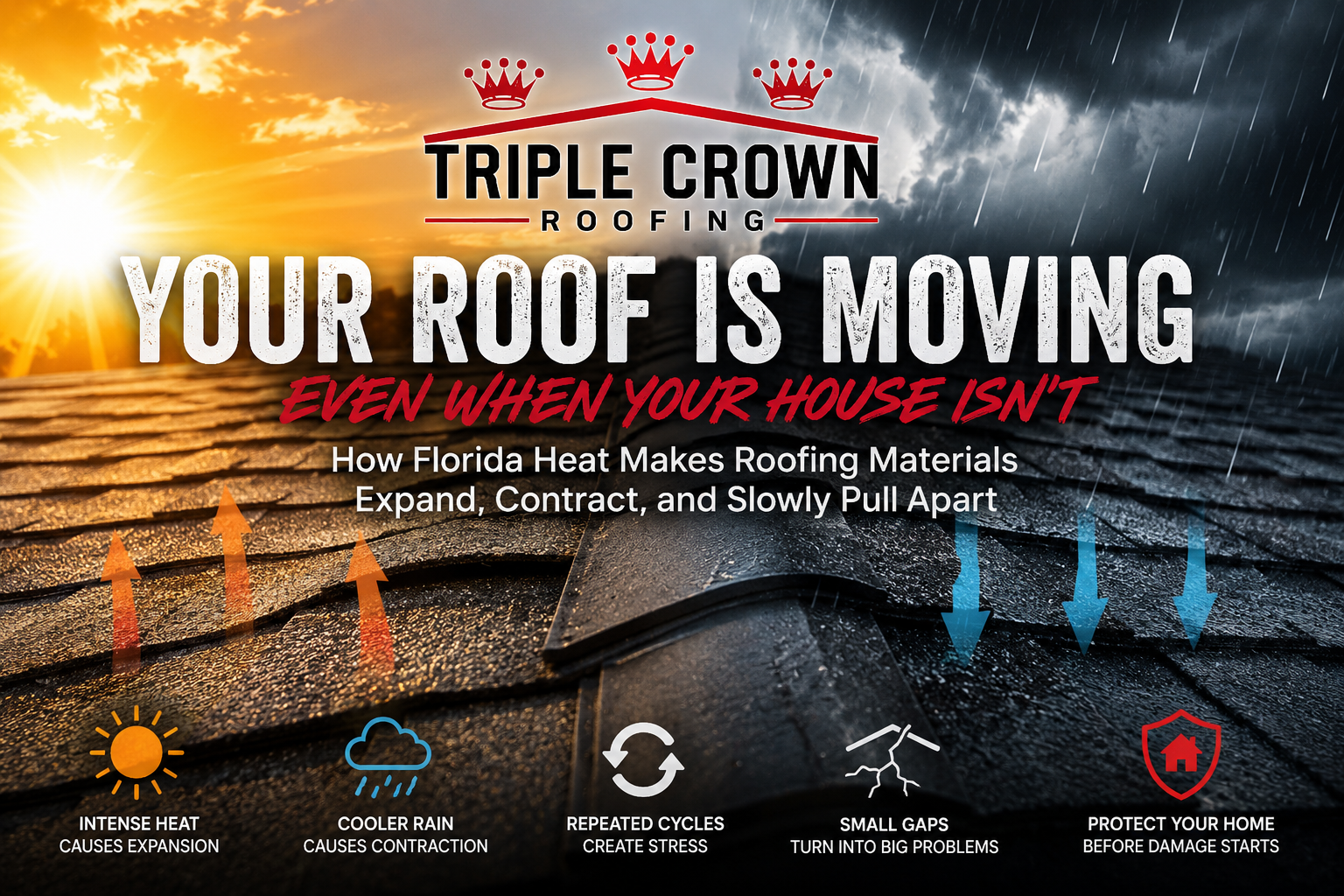
Thermal expansion and contraction can weaken your roof over time. A roof that experiences extreme temperature shifts will age faster, leading to costly repairs or premature replacement.
How We Solve Thermal Bridging on Metal Roofs in Zephyrhills
At Triple Crown Roofing, we specialize in custom metal roofing solutions in Zephyrhills that prevent thermal bridging. Here’s how we do it:
1. Thermal Break Insulation
The best way to combat heat transfer is by installing thermal breaks—insulation layers that separate the metal roof panels from the structural components. These barriers slow down heat movement, keeping your home cooler in the summer and warmer in the winter.
2. Installing Rigid Board Insulation
Rigid foam insulation is one of the most effective ways to reduce thermal bridging in metal roofs. This material is installed between the roof structure and metal panels, providing high resistance to heat transfer.
3. Ventilated Roof Systems
Adding a ventilated air gap beneath your metal roof allows heat to escape before it enters your home. This helps regulate temperature fluctuations and prevents heat buildup in your attic.
4. Reflective Roof Coatings
A metal roof coating in Zephyrhills with high solar reflectance can significantly reduce heat absorption. These coatings bounce sunlight away from your roof, keeping your home cooler and more energy-efficient.
5. Properly Sealed Joints and Fasteners
Using thermally broken fasteners and properly sealing metal roof joints minimizes the heat transfer pathways that contribute to thermal bridging.
6. Radiant Barrier Installation
A radiant barrier is a reflective material installed underneath your metal roof to block radiant heat transfer. This method is especially effective in hot climates like Central Florida.
Our Step-by-Step Process for Metal Roof Thermal Bridging Solutions
Step 1: Roof Inspection & Thermal Assessment
Before making recommendations, we conduct a detailed metal roof inspection in Zephyrhills. Using thermal imaging technology, we identify hotspots and areas where heat is escaping or entering.
Step 2: Custom Insulation & Design Plan
We create a customized plan to improve your metal roof’s thermal performance, selecting the best insulation materials, coatings, and ventilation systems based on your needs.
Step 3: Installation of Insulation and Heat Barriers
Our skilled team installs rigid foam insulation, thermal break layers, and reflective coatings to prevent heat transfer and improve energy efficiency.
Step 4: Roof Ventilation Upgrades
We integrate proper ventilation to regulate attic temperatures and prevent heat buildup.
Step 5: Final Testing & Performance Check
We run a final thermal scan to ensure your metal roof insulation upgrades work effectively.
Long-Term Benefits of Addressing Thermal Bridging
By investing in Zephyrhills metal roof thermal bridging solutions, you’ll enjoy:
✔
Lower energy bills
✔
More comfortable indoor temperatures
✔
Extended roof lifespan
✔
Reduced risk of condensation and mold
✔
A more sustainable, energy-efficient home
FAQs About Metal Roof Thermal Bridging
Q: Can I add insulation to my existing metal roof?
A: Yes! We specialize in metal roof retrofit insulation to improve energy efficiency without replacing your roof.
Q: Will insulating my metal roof make my home hotter in the summer?
A: No—insulation actually prevents heat from being absorbed into your home, making it cooler and more comfortable.
Q: How much does it cost to upgrade my metal roof for better thermal performance?
A: The cost depends on your roof size and the insulation materials used. Contact us for a free estimate!
Q: Can thermal bridging affect my home’s resale value?
A: Absolutely. An energy-efficient metal roof is a major selling point for buyers looking to reduce utility costs.
Final Thoughts
If you want to reduce energy costs, improve indoor comfort, and extend the lifespan of your metal roof, thermal bridging solutions are the way to go!
At Triple Crown Roofing, we provide expert Zephyrhills metal roof insulation and efficiency upgrades tailored to your home’s unique needs.
📞 Call us today at 813-715-4617 or visit www.triple-crown-roofing.com to schedule a thermal efficiency consultation.
Let’s keep your home cool, efficient, and comfortable—all year long! 🚀