Triple Crown Roofing: Prepare for Hurricane Season with Metal Roofing
Comparing Durability, Energy Efficiency, Lifespan, and Long-Term Value in Florida’s Demanding Climate.
When it comes time to replace your roof, one of the biggest decisions you'll face is choosing the right roofing material.
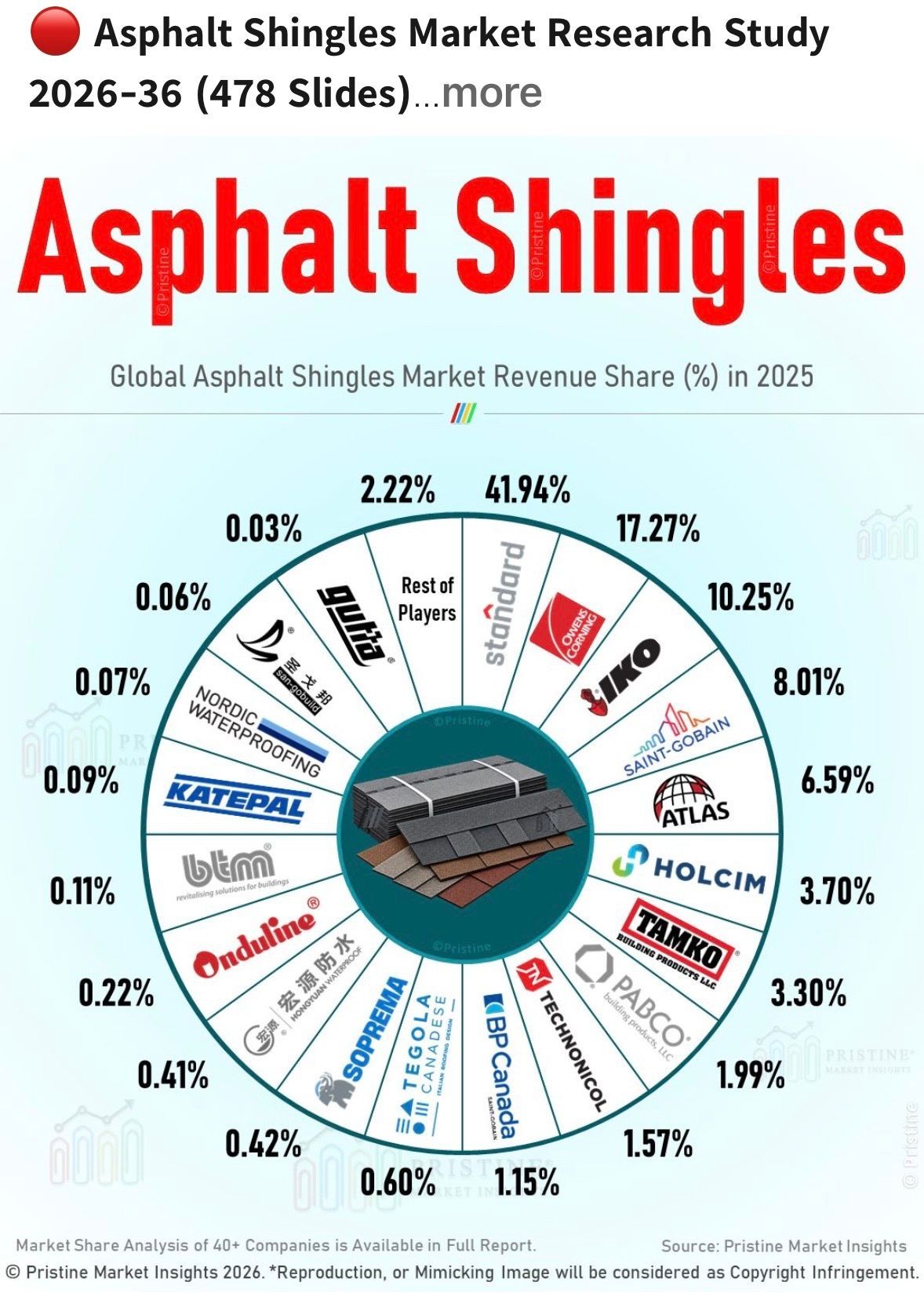
For decades, asphalt shingles have been a familiar sight across Florida neighborhoods. They're affordable, attractive, and available in a wide variety of styles.
But metal roofing is becoming an increasingly attractive alternative for homeowners looking for durability, energy efficiency, and long-term protection.
So, which one should you choose?
At Triple Crown Roofing, we believe homeowners deserve to understand their options before making one of the most important investments in their property.
Let's compare asphalt shingles and metal roofing, particularly when it comes to surviving Florida's demanding climate.
1. Durability: Florida Weather Puts Every Roof to the Test
Florida roofs endure conditions that homeowners in many other states rarely experience.
Intense sunshine, heavy afternoon thunderstorms, tropical storms, hurricanes, and prolonged humidity all take their toll on roofing materials.
Asphalt shingles
Modern architectural asphalt shingles can provide excellent protection when properly selected and installed.
However, prolonged UV exposure, heat, and severe weather can contribute to deterioration over time.
Common problems include:
- Granule loss and surface deterioration.
- Cracked, lifted, or missing shingles.
- Wind damage around vulnerable roof areas.
- Moisture intrusion when roofing components fail.
The quality of the shingles, installation, ventilation, and ongoing maintenance all influence how well an asphalt roof performs.
Metal roofing
Metal roofing offers a different approach to weather protection.
Properly designed and installed metal roofing systems can provide strong resistance to wind and other severe weather conditions.
Metal also does not deteriorate in exactly the same way as asphalt shingles.
However, metal roofs are not indestructible. Their performance depends on panel design, fastening systems, installation quality, and the specific product selected.
The takeaway: Both materials can protect your home, but selecting a complete roofing system designed for Florida's weather conditions is essential.
2. Roof Lifespan: Think Beyond the Initial Price
One of the most important considerations when purchasing a roof is how long you expect to own your home.
Asphalt shingles typically have a lower upfront installation cost, making them attractive for homeowners working within a specific budget.
Metal roofing generally requires a larger initial investment but may provide a longer service life.
According to the Metal Roofing Alliance, quality metal roofing systems can last 50 years or longer under suitable conditions.
2026-08 Your HOA Should Let You Choose Better Roofing Options.docx
That longer potential lifespan can make metal roofing attractive to homeowners who plan to remain in their homes for decades.
However, actual roof longevity depends on the product, Florida's climate, maintenance, installation, and environmental exposure.
Before choosing a roof, ask yourself: Are you shopping for the lowest installation cost today or considering the total cost of ownership over the coming decades?
3. Energy Efficiency: Can Your Roof Help Keep Your Home Cooler?
Florida homeowners know that keeping a home comfortable during the summer can be expensive.
Your roofing material can influence how much solar heat enters your home.
The key is understanding two important roofing characteristics.
Solar reflectance
Solar reflectance describes how much of the sun's energy a roofing surface reflects rather than absorbs.
A roof with higher solar reflectance can absorb less solar energy, potentially reducing roof surface temperatures.
Thermal emittance
Thermal emittance describes how effectively a roofing surface releases absorbed heat.
A roof with favorable reflectance and emittance characteristics can help reduce heat buildup.
Does this mean every metal roof is cooler?
Not necessarily.
Roof color, surface coatings, insulation, ventilation, and the complete roofing assembly all affect energy performance.
Certain metal roofing products feature specialized reflective coatings designed to reduce solar heat absorption.
Cool-roof-rated asphalt shingles are also available.
When comparing materials, homeowners should examine the actual energy-performance specifications rather than assuming that one roofing material automatically delivers lower utility bills.
Triple Crown Roofing Tip: If energy efficiency is a priority, ask about reflective roofing products and evaluate your attic ventilation and insulation at the same time.
4. Hail Resistance: Understanding What the Ratings Actually Mean
Although Florida is better known for hurricanes and thunderstorms, hail can also damage residential roofing systems.
The Metal Roofing Alliance's 2026 roofing industry material highlights the importance of evaluating impact resistance when selecting roofing products.
2026-08 Roofing Elements Section of Metal Roofing - Metal vs Hail (MRA contributed).pdf
One commonly recognized testing standard is UL 2218.
Products tested under this standard can receive impact-resistance classifications ranging from Class 1 through Class 4.
Class 4 represents the highest classification under that testing procedure.
Many metal roofing systems achieve Class 4 ratings, but impact-resistant asphalt shingles are also available.
What happens when hail strikes?
Asphalt shingles can experience bruising, granule loss, or fractures that may not be immediately visible from the ground.
Metal roofing can experience dents or cosmetic damage while remaining functional.
However, a dent does not automatically mean the roof has failed, and an undamaged appearance does not guarantee that the roofing system is unaffected.
Following a significant hailstorm, a professional inspection should evaluate the entire roof, including flashing, fasteners, seams, and penetrations.
No roofing material is completely immune to hail damage.
5. Maintenance: What Will Your Roof Need Over Time?
Every roof requires attention.
For asphalt roofing, maintenance may include replacing damaged shingles, addressing granule loss, inspecting flashing, and monitoring areas where moisture could enter.
Metal roofing may require less frequent maintenance in certain applications, particularly when manufactured with high-performance protective coatings.
However, metal roofs still need periodic inspections.
Fasteners, sealants, flashing, coatings, and other components can deteriorate or become damaged.
Florida homeowners should also consider nearby trees, salt-air exposure where applicable, and the effects of severe storms.
Regardless of which material you choose, addressing small roofing problems early can help prevent more expensive damage later.
6. Planning to Install Solar Panels? Your Roof Matters.
Solar energy is an attractive option for Florida homeowners, but installing solar panels on an aging roof can create an expensive problem.
Residential solar panels commonly have an expected service life of approximately 25 years.
If your roof requires replacement before your solar system reaches the end of its service life, the panels may need to be removed and reinstalled.
That additional labor can significantly increase your roofing costs.
The Metal Roofing Alliance recommends evaluating roof condition and remaining service life before installing solar equipment.
2026-08 Solar & Metal Roofing In-Depth Information - FINAL.docx
Why metal roofing deserves consideration
Certain standing-seam metal roofing systems allow solar panels to be attached using specialized clamps without penetrating the roof panels.
This can reduce the number of roof penetrations required for installation.
Other metal roofing systems and asphalt roofs may require different mounting methods.
The appropriate approach depends on the roof design, solar equipment, structural requirements, and approved installation methods.
If you're considering solar panels within the next few years, have your roof evaluated before installing the system.
A little planning now could prevent a costly removal and reinstallation project later.
7. What If Your HOA Doesn't Allow Metal Roofing?
Many Florida homeowners live in communities with architectural guidelines governing roofing materials, colors, and styles.
Some associations may limit roofing options to maintain a consistent neighborhood appearance.
However, modern metal roofing is available in a wide variety of designs.
Some products even replicate the appearance of traditional shingles, slate, shakes, or tile.
The Metal Roofing Alliance documented a Florida community near Orlando where homeowners were initially required to use concrete tile roofing.
After storm damage and extended replacement delays, one homeowner proposed an alternative metal roofing product that maintained the neighborhood's architectural appearance.
The HOA ultimately approved the alternative, and other homeowners subsequently installed metal roofing as well.
2026-08 A Florida HOA Was Dead Set Against Metal Roofs - MRA Case Study.docx
If you're interested in metal roofing but live in an HOA community, review your architectural guidelines and obtain written approval before beginning your project.
A detailed roofing proposal with product specifications, color samples, and photographs may help your association evaluate the request.
Approval requirements vary by community.
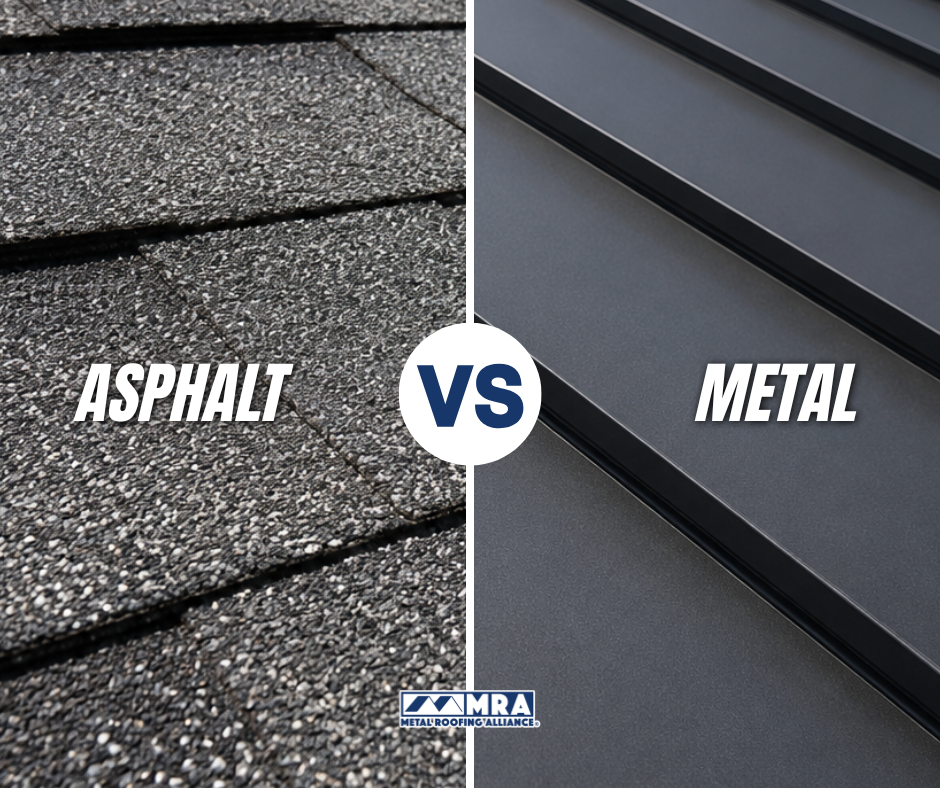
8. Asphalt vs. Metal Roofing: A Quick Comparison
Here's a simplified look at how the two roofing materials compare.
Feature
Asphalt shingles
Metal roofing
Initial cost
Generally lower
Generally higher
Lifespan
Varies by product and conditions
Potentially 50+ years
Wind resistance
Product and installation dependent
Product and installation dependent
Energy efficiency
Cool-roof options available
Reflective coating options available
Hail resistance
Impact-rated options available
Many Class 4 options available
Maintenance
Periodic inspection and repairs
Periodic inspection and maintenance
Solar compatibility
Compatible with proper mounting
Some systems allow nonpenetrating mounts
Appearance
Wide variety of styles
Wide variety of profiles and finishes
The most appropriate roofing material depends on your home's design, budget, location, and long-term goals.
The Most Important Roofing Decision Isn't Just the Material. It's the Installation.
Even the highest-quality roofing product can experience problems if it isn't installed correctly.
A roofing system is much more than the visible material covering your home.
Underlayment, flashing, ventilation, fastening methods, and proper installation techniques all contribute to its performance.
In Florida, where severe weather can expose even small installation weaknesses, these details matter.
That's why choosing an experienced, properly licensed roofing contractor is just as important as choosing the roofing material itself.
At Triple Crown Roofing, we help homeowners understand their roofing options so they can make informed decisions about protecting their homes.
Whether you're considering traditional asphalt shingles or exploring metal roofing, the goal is the same: a dependable roofing system designed for your property and your needs.
Ready to Explore Your Roofing Options? Talk to Triple Crown Roofing.
Your roof is one of your home's most important defenses against Florida's unpredictable weather.
Don't wait until leaks, storm damage, or widespread deterioration force you into a rushed decision.
If you're considering a roof replacement, have questions about asphalt versus metal roofing, or simply want to understand the condition of your existing roof, Triple Crown Roofing is here to help.
39246 South Avenue
Zephyrhills, FL 33542
Call: 813-715-4617
Florida Roofing Contractor License: CCC049370
Protect your home. Understand your options. Make your next roofing investment with confidence.