Triple Crown Roofing: Prepare for Hurricane Season with Metal Roofing
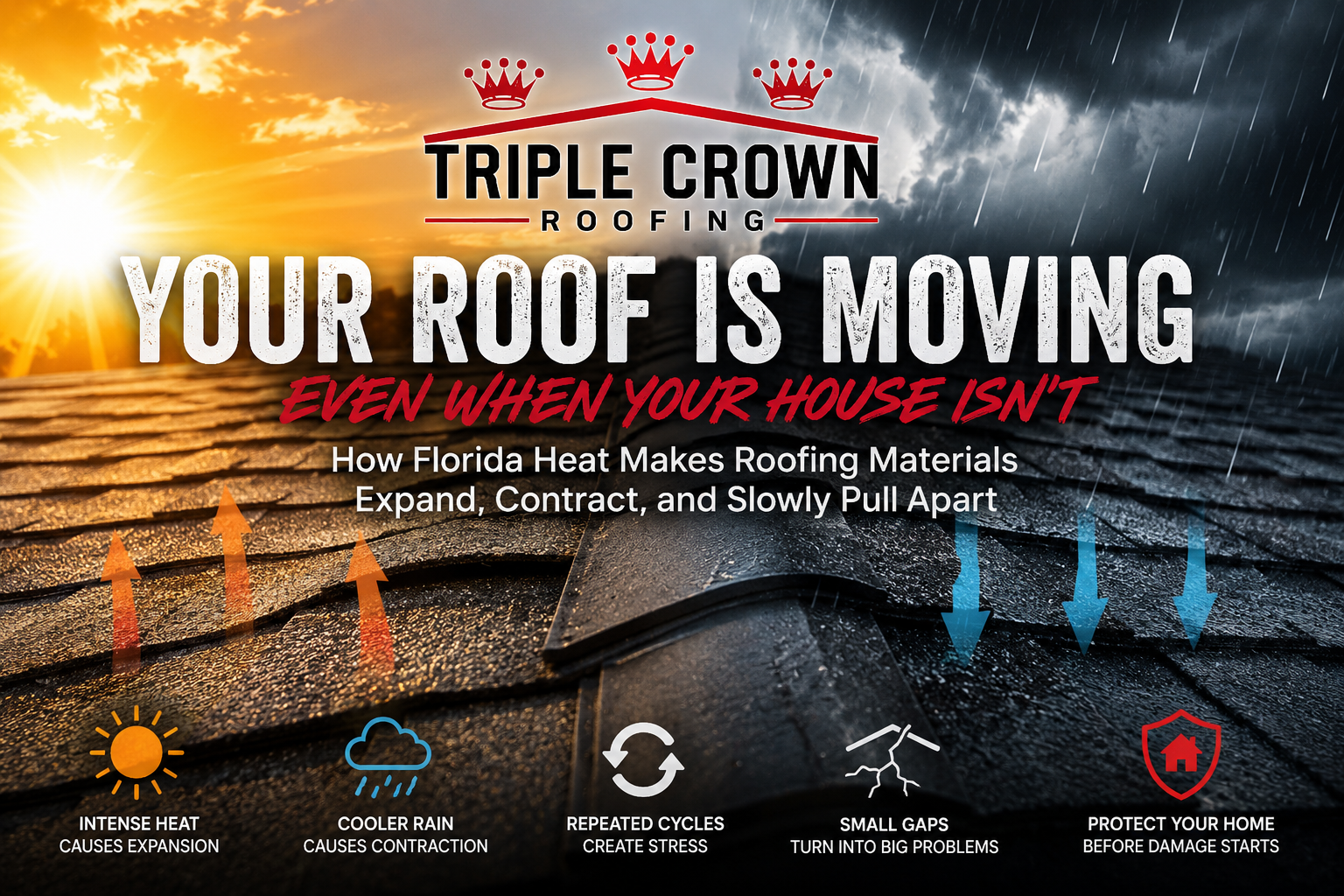
How Florida Heat Makes Roofing Materials Expand, Contract, and Slowly Pull Apart
When most Florida homeowners look at their roof, they see something solid.
Shingles. Metal. Flashing. Nails. Sealants. Underlayment. Wood decking.
Everything appears firmly attached to the house, exactly where it is supposed to be.
But your roof isn't nearly as motionless as it looks.
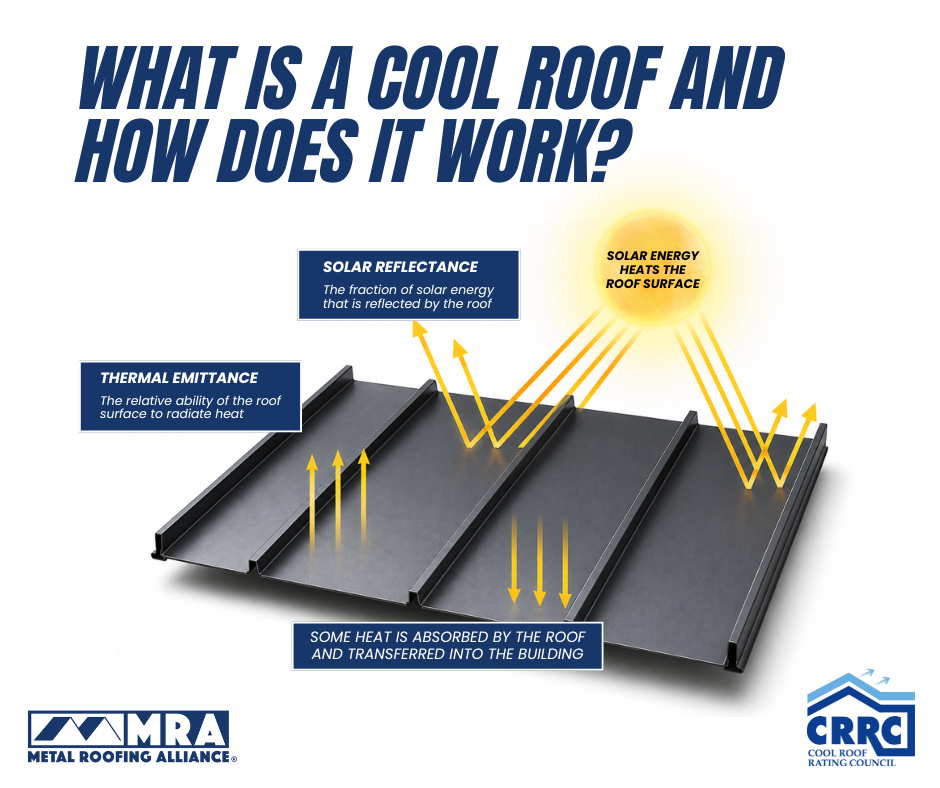
Every day, Florida's intense sunlight heats roofing materials. As temperatures rise, those materials expand.
Later, when afternoon storms roll through or the sun goes down, temperatures fall and those same materials begin to contract.
Then the process starts all over again the next morning.
Day after day.
Month after month.
Year after year.
That constant expansion and contraction can slowly stress the components that keep a roofing system together. And unlike dramatic storm damage, thermal movement usually doesn't announce itself with a missing shingle or water pouring through the ceiling.
It works quietly.
That's one reason an aging Florida roof can look perfectly normal from the driveway while small vulnerabilities are developing in places homeowners rarely see.
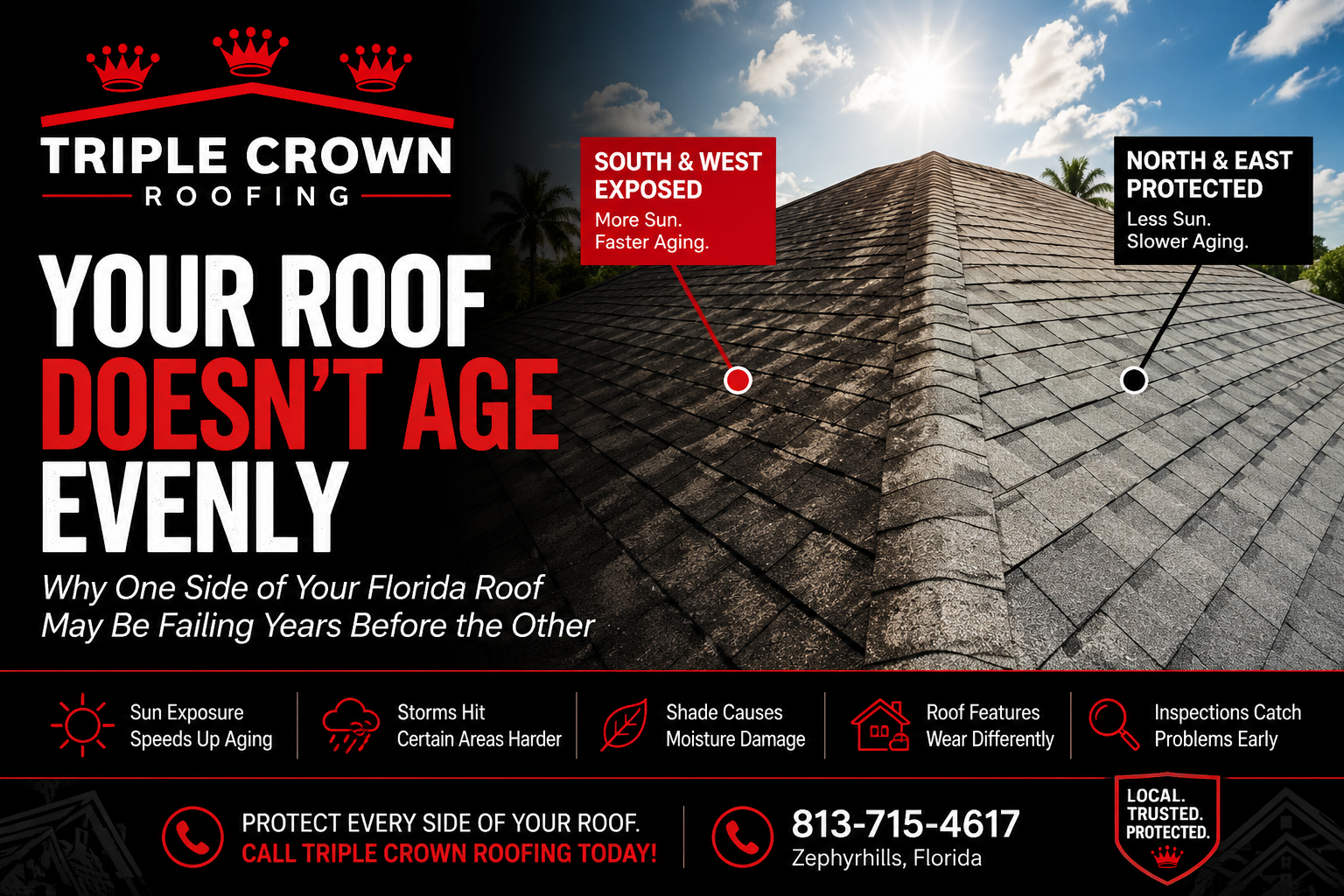
Your Roof Can Be Much Hotter Than the Air Outside
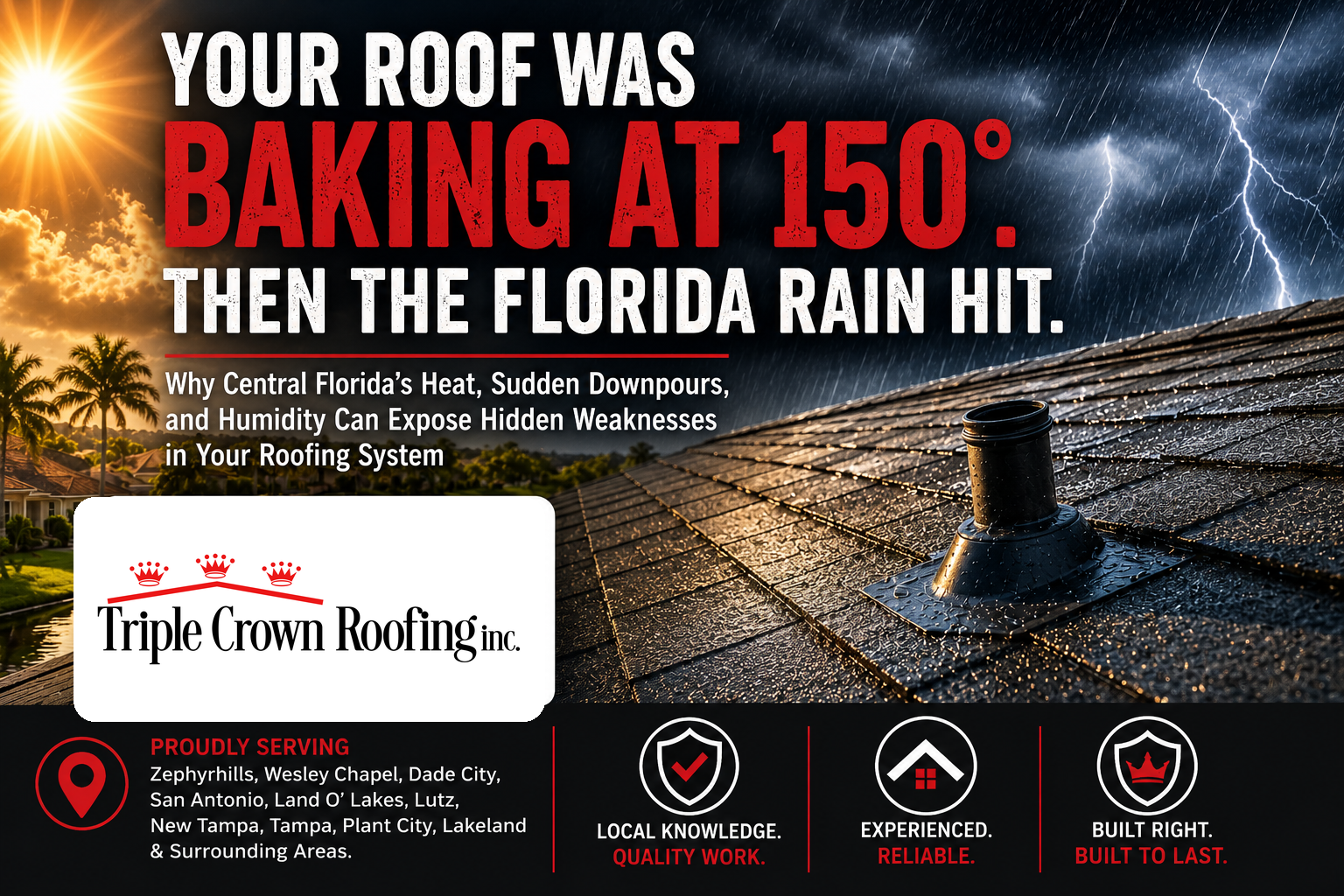
A Florida weather forecast might say it's 94 degrees outside.
That doesn't mean your roof is 94 degrees.
Roofing materials exposed to direct sunlight can become considerably hotter than the surrounding air, particularly darker roofing surfaces absorbing solar energy throughout the day.
Then something very Florida happens.
A summer thunderstorm arrives.
A roofing surface that has spent hours baking beneath the sun can suddenly be hit with comparatively cool rainwater and cloud cover. Later, the sun may return and begin heating everything again.
Your roof experiences these temperature swings over and over.
And different roofing materials don't necessarily react to temperature changes in exactly the same way.
Metal, asphalt shingles, fasteners, flashing, sealants, wood decking and other components can expand and contract at different rates.
A properly installed roofing system is designed with movement in mind.
But age, installation problems, deteriorating materials and thousands of heating-and-cooling cycles can eventually begin exposing weak points.
The Problem Isn't One Hot Afternoon
Florida roofs are built to handle heat.
The bigger issue is repetition.
Think about bending a paper clip.
Bend it once and very little happens.
Bend it back and forth repeatedly and eventually the metal becomes fatigued.
Your roofing system isn't literally bending like a paper clip, but the principle helps explain why repeated physical stress matters.
A tiny amount of movement today may mean virtually nothing.
But thousands of expansion-and-contraction cycles over the life of a roof can contribute to deterioration in already vulnerable areas.
That's why roof age isn't simply about the number printed on a calendar.
It's also about what that roof has experienced.
Flashing Can Become a Critical Stress Point
Some of the most important areas of your roof are also places where different materials meet.
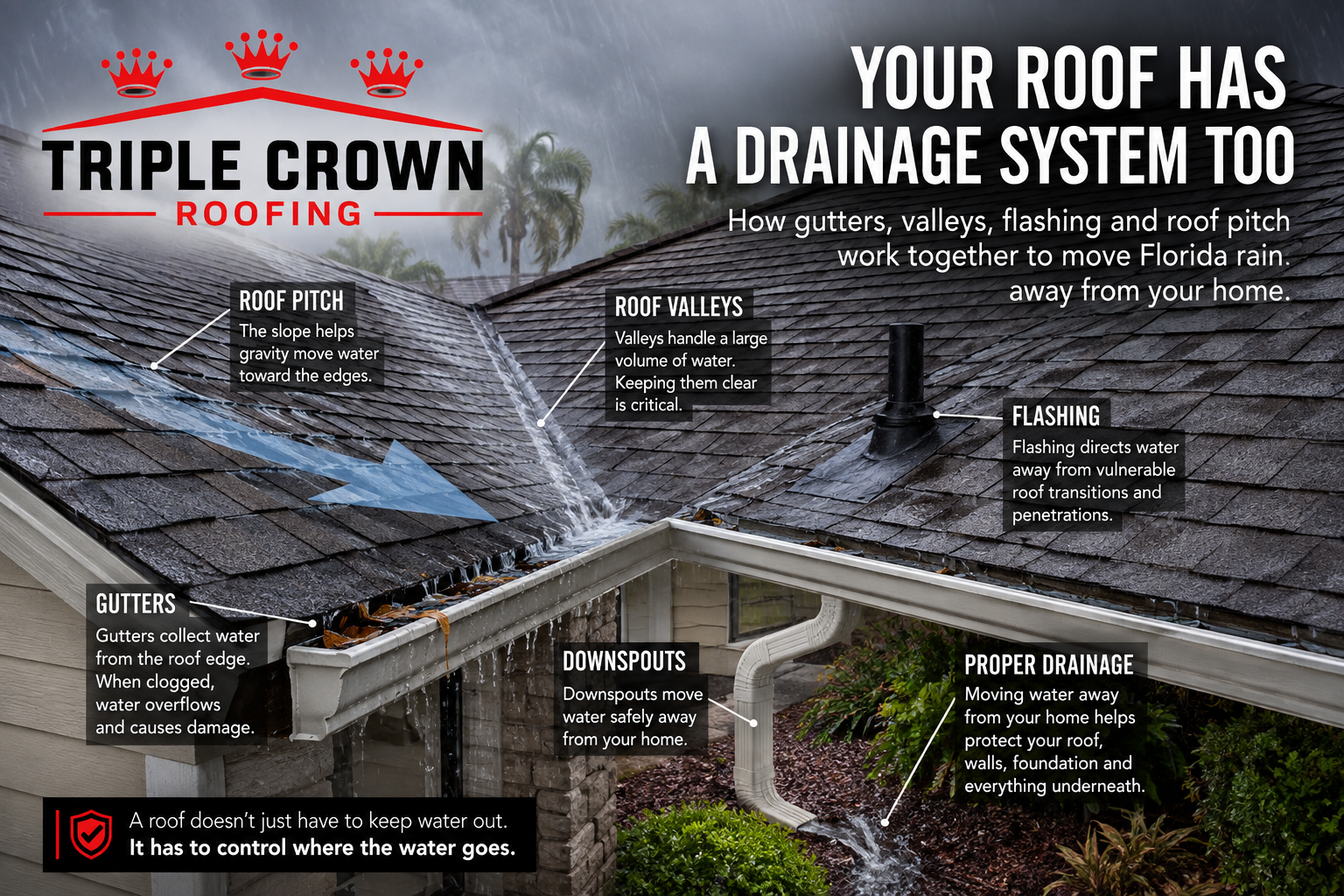
Flashing helps protect vulnerable transitions around areas such as:
- Chimneys
- Plumbing vents
- Roof-to-wall intersections
- Valleys
- Skylights
- Other roof penetrations
These areas already require careful installation because water naturally looks for openings.
Now add years of heat-related movement.
Metal flashing expands and contracts. Sealants age. Fasteners experience stress. Roofing materials surrounding the flashing move as temperatures change.
Eventually, a very small separation can develop.
And Florida rain doesn't need much of an opening.
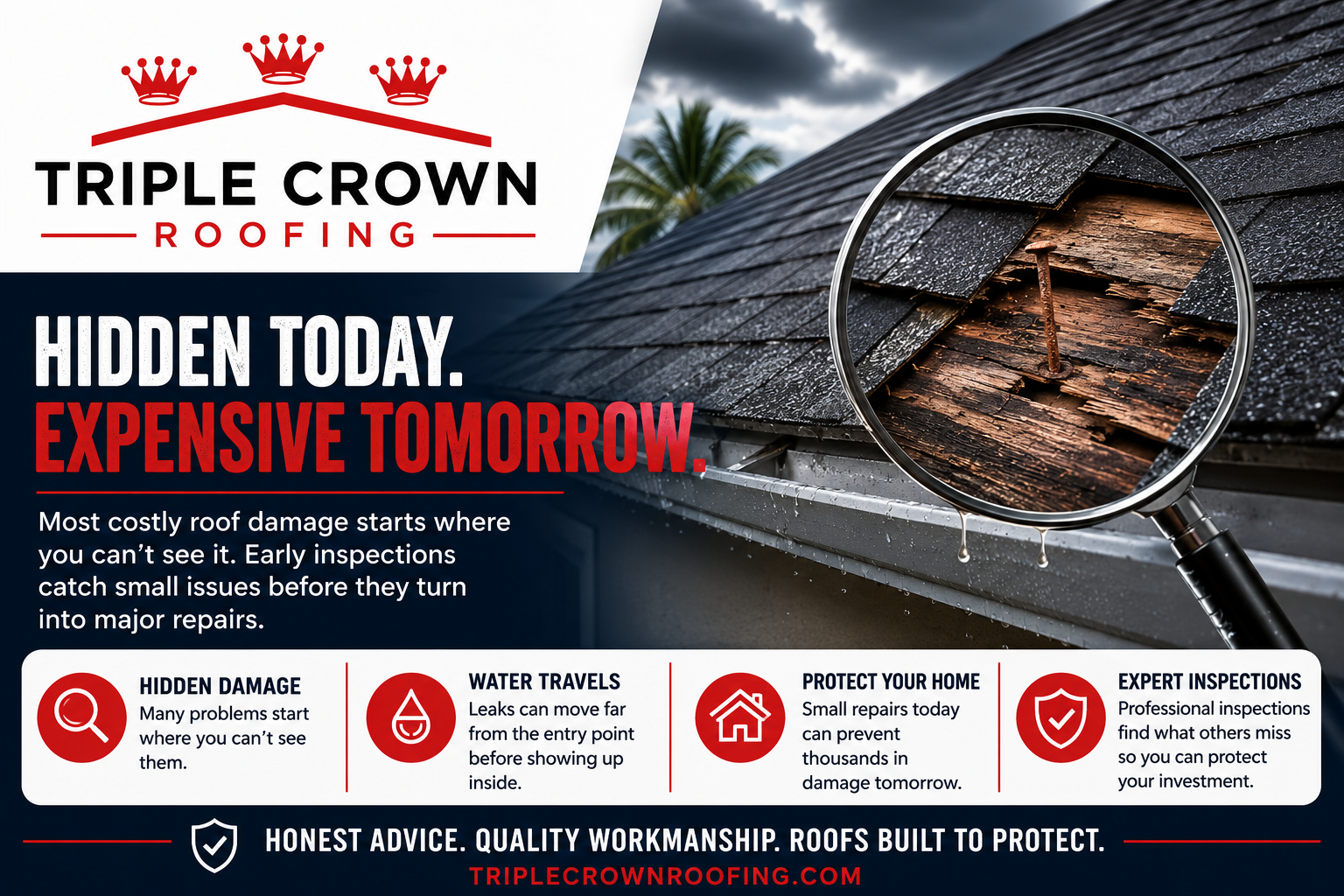
Water can enter a roofing system through a surprisingly small vulnerability and travel along decking, framing or other materials before finally becoming visible inside the home.
That means the ceiling stain you discover may not be directly underneath the original entry point.
Fasteners Aren't Immune Either
Fasteners are another part of the roofing system homeowners almost never think about.
They should.
Depending on the roofing system, thousands of nails, screws or other fasteners may help keep roofing components secured.
Repeated movement of the materials surrounding those fasteners can create stress over time.
On certain roofing systems, this can contribute to fasteners loosening, backing out or becoming less effective.
The change may be tiny.
But roofing performance often depends on many small components doing their jobs simultaneously.
A roof doesn't necessarily fail because one giant component suddenly breaks.
Sometimes problems begin because one seemingly insignificant part of the system stops performing exactly as intended.
Sealants Age Differently Than the Materials Around Them
Roofing sealants play an important role in protecting certain joints, penetrations and transitions.
But sealant isn't permanent.
Florida gives it a difficult job.
UV exposure, extreme heat, moisture and repeated temperature changes can eventually cause some sealants to dry, shrink, crack or separate from surrounding materials.
This becomes especially important where two materials move differently.
Imagine two roofing components expanding slightly during the hottest part of the day and contracting overnight.
The sealant between them must continue maintaining a weather-resistant connection despite that movement.
For years.
Once that seal begins deteriorating, water has another potential pathway into the roofing system.
Asphalt Shingles Experience Heat Stress Too
Asphalt shingles are designed for outdoor exposure, but Florida provides one of the tougher environments in the country.
Sunlight and heat contribute to the aging process.
Over time, shingles may lose protective granules, become more brittle, curl, crack or otherwise show signs of deterioration.
Once a shingle becomes less flexible, repeated movement can become increasingly important.
That's one reason an older roof may respond differently to Florida weather than it did when it was new.
The weather didn't necessarily become harsher.
The materials simply aren't the same materials they were ten or fifteen years earlier.
Metal Roofs Move by Design
Metal roofing makes thermal expansion particularly easy to understand because metal naturally expands when heated and contracts as it cools.
A properly designed and installed metal roofing system accounts for this movement.
That's important.
Thermal movement itself doesn't mean something is wrong with a metal roof.
Problems can arise, however, when installation details don't properly accommodate that movement or when components deteriorate with age.
Fasteners, seams, penetrations, flashing and attachment points all need to function as part of the complete system.
This is another reason roofing isn't simply about choosing a good material.
Installation matters enormously.
Even an excellent roofing product can perform poorly when critical installation details are ignored.
Your Attic Plays a Role in the Story
The temperature battle isn't happening only above the roof.
It's happening underneath it too.
Proper attic ventilation helps manage heat and moisture within the attic space.
When an attic becomes excessively hot, the roofing system can experience additional thermal stress from both sides.
Ventilation doesn't magically make a roof cold, nor does it eliminate Florida heat.
But a properly designed roofing and attic ventilation system works together to help manage conditions affecting the home.
That's why experienced roofers don't look at a roof as a collection of shingles.
They look at it as a system.
Why Small Separations Can Become Big Florida Problems
A tiny roofing vulnerability in a dry climate might remain unnoticed for quite some time.
Florida doesn't offer that luxury.
Our homes regularly experience intense rain.
When water is driven across a roof during a thunderstorm, it searches for weaknesses.
A deteriorated seal.
A compromised flashing detail.
A lifted edge.
A vulnerable fastener.
A small crack.
Once moisture finds a pathway beneath the exterior roofing material, the homeowner may have no idea.
The first visible clue might come much later:
A ceiling stain.
Peeling paint.
Discolored drywall.
A musty odor.
Damaged insulation.
Or deterioration discovered during an inspection.
By then, the original problem may have existed for months.
This Is Why Looking From the Driveway Isn't a Roof Inspection
One of the most dangerous assumptions homeowners make is:
"My roof looks fine."
It might.
Many roofing problems aren't obvious from ground level.
You can't properly evaluate flashing details around every penetration from the driveway.
You can't see what's happening beneath roofing materials.
You can't determine the condition of every fastener.
And you certainly can't see every tiny separation caused by years of material movement.
A professional roof inspection looks much closer.
That's particularly valuable for older Florida roofs that have endured thousands of days of intense sunlight,
sudden rainstorms and constant temperature changes.
Florida Doesn't Give Your Roof Much Time to Relax
Our climate is one of the things we love about living here.
But it's demanding on buildings.
Roofs deal with intense sunlight, high temperatures, humidity, heavy rain, wind and dramatic weather changes throughout much of the year.
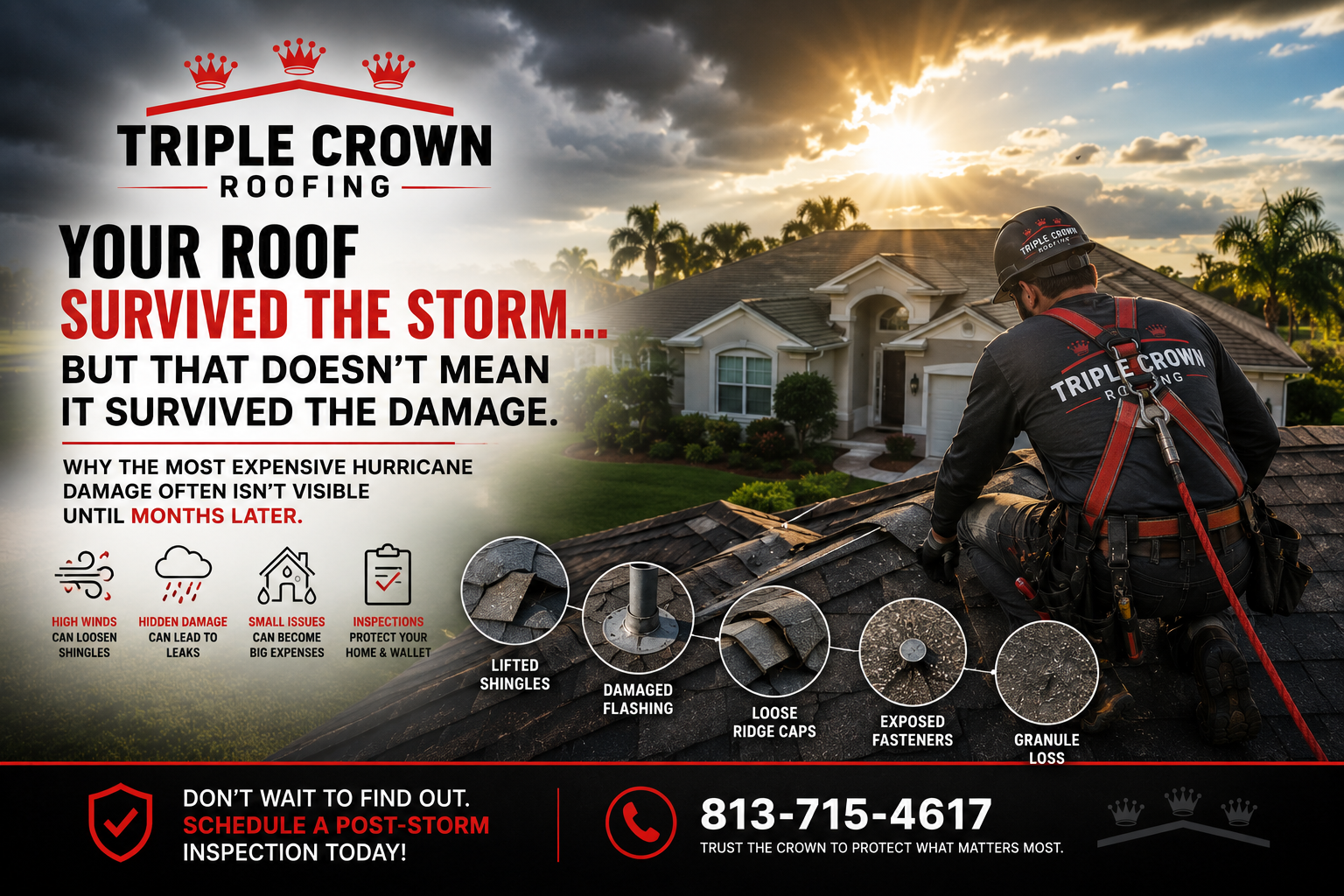
And while homeowners naturally pay attention to hurricanes and major storms, some of the most important roof damage develops much more slowly.
There doesn't have to be one catastrophic event.
Sometimes it's simply the cumulative effect of Florida happening to your roof every single day.
The Best Time to Find a Small Roofing Problem Is While It's Still Small
A loose component doesn't automatically mean you need a new roof.
Neither does deteriorated sealant or a minor flashing issue.
Depending on the roof's condition, some problems may be repairable when they're discovered early.
But small vulnerabilities rarely improve by themselves.
Water, heat and time usually push them in the opposite direction.
That's why periodic professional inspections can be valuable, particularly as a roofing system gets older.
You're not necessarily looking for something catastrophic.
You're looking for the little things before they have the opportunity to become catastrophic.
Your Roof Protects Your Home Every Day. Make Sure It's Ready for Tomorrow.
At Triple Crown Roofing, we understand what Florida roofs endure because we work on them every day.
Our team knows where age, heat, rain and repeated thermal movement can begin exposing weaknesses — and we know the difference between a roof that simply looks good from the ground and a roofing system that's actually performing the way it should.
If your roof is getting older, you've noticed something unusual, or you simply haven't had it professionally evaluated in a while, having it inspected can provide valuable information about its current condition.
Triple Crown Roofing
39246 South Avenue
Zephyrhills, Florida 33542
813-715-4617
Serving homeowners throughout Zephyrhills and surrounding Central Florida communities.
Your roof may look perfectly still.
But in Florida, it's been moving every single day.