Triple Crown Roofing: Prepare for Hurricane Season with Metal Roofing
How proactive roof care protects your home, your family, and your investment during Florida’s storm season
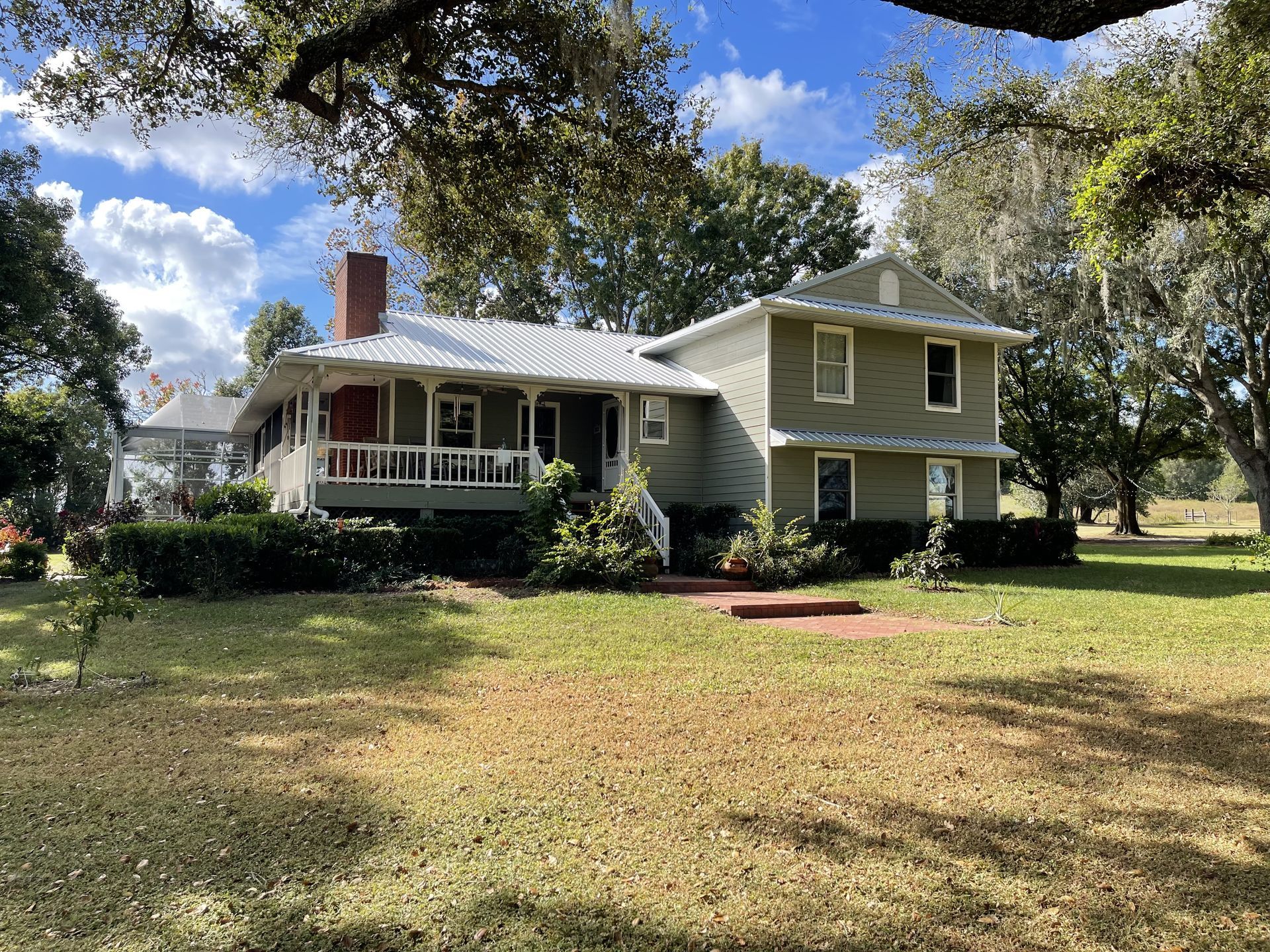
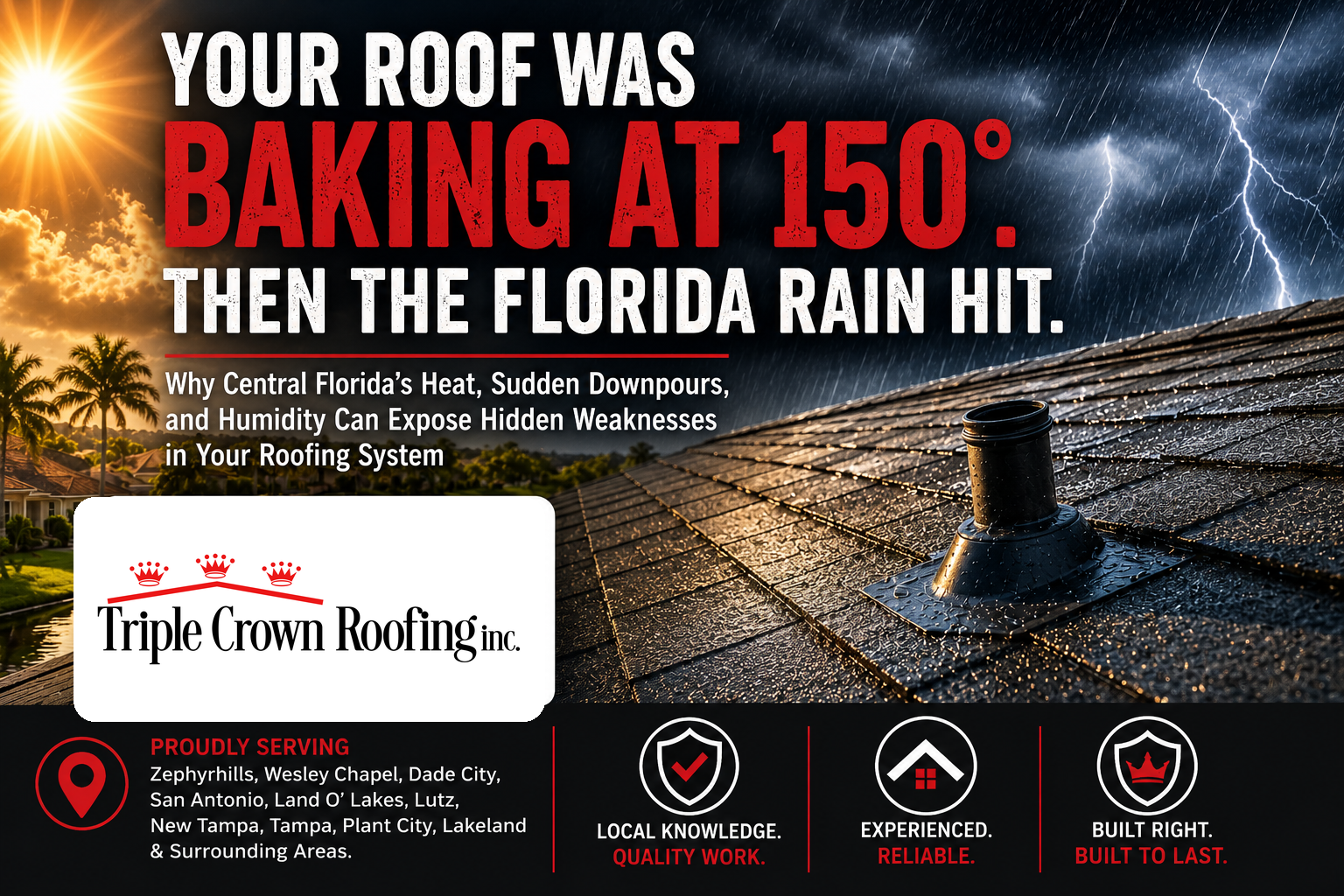
Florida homeowners know storms aren’t a matter of if — they’re a matter of when. From tropical storms to full-scale hurricanes, your roof is your home’s first and most important line of defense.
If your roof isn’t storm-ready, even a short weather event can lead to leaks, interior damage, mold, and costly repairs. The good news? A few smart roofing decisions now can make a major difference when the next storm hits.
Here’s what every Florida homeowner should know.
Why Your Roof Matters More in Florida Than Anywhere Else
Florida roofs face unique challenges that many other states don’t:
- Extreme wind speeds
- Heavy, wind-driven rain
- Flying debris
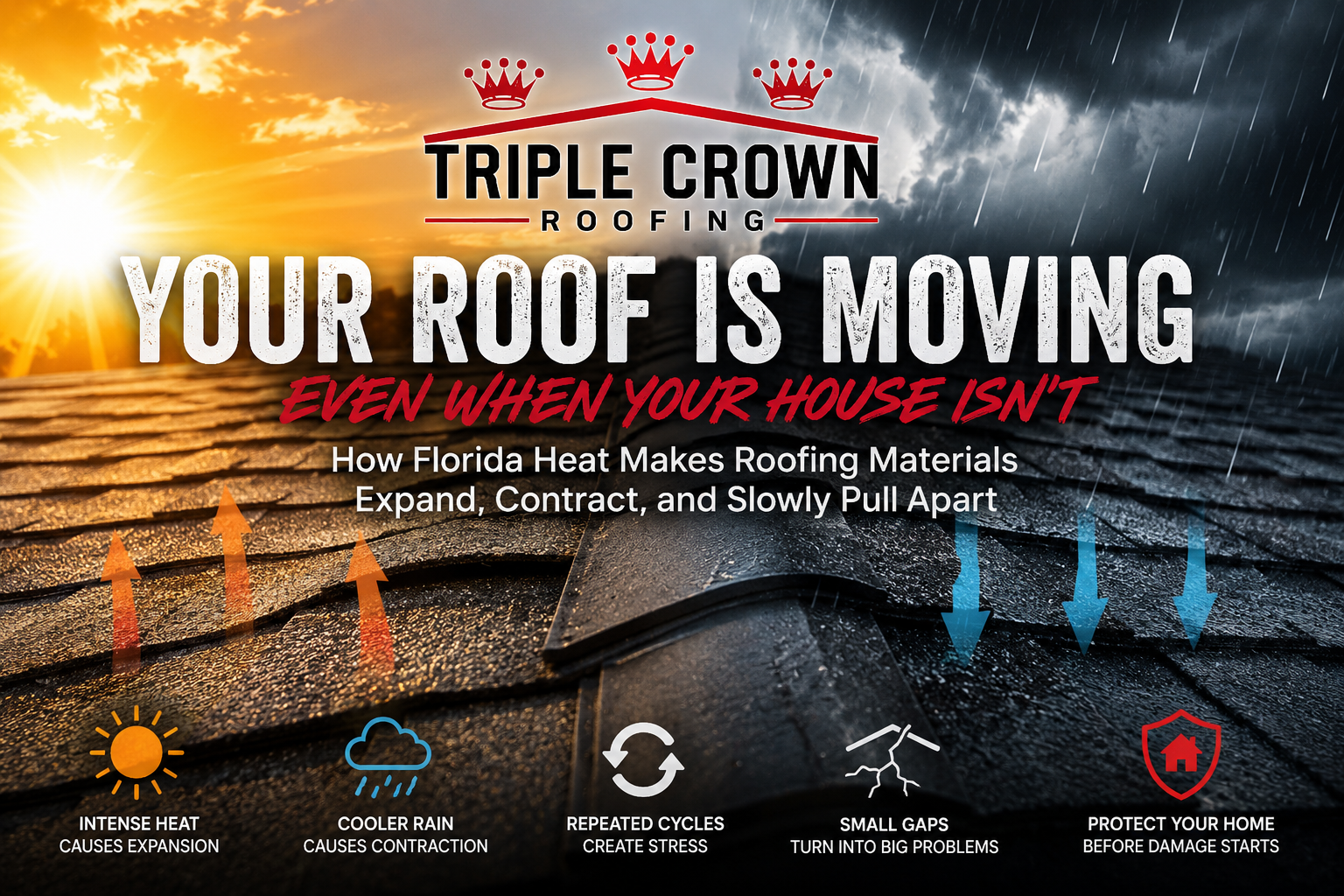
- Intense UV exposure year-round
- Salt air in coastal regions
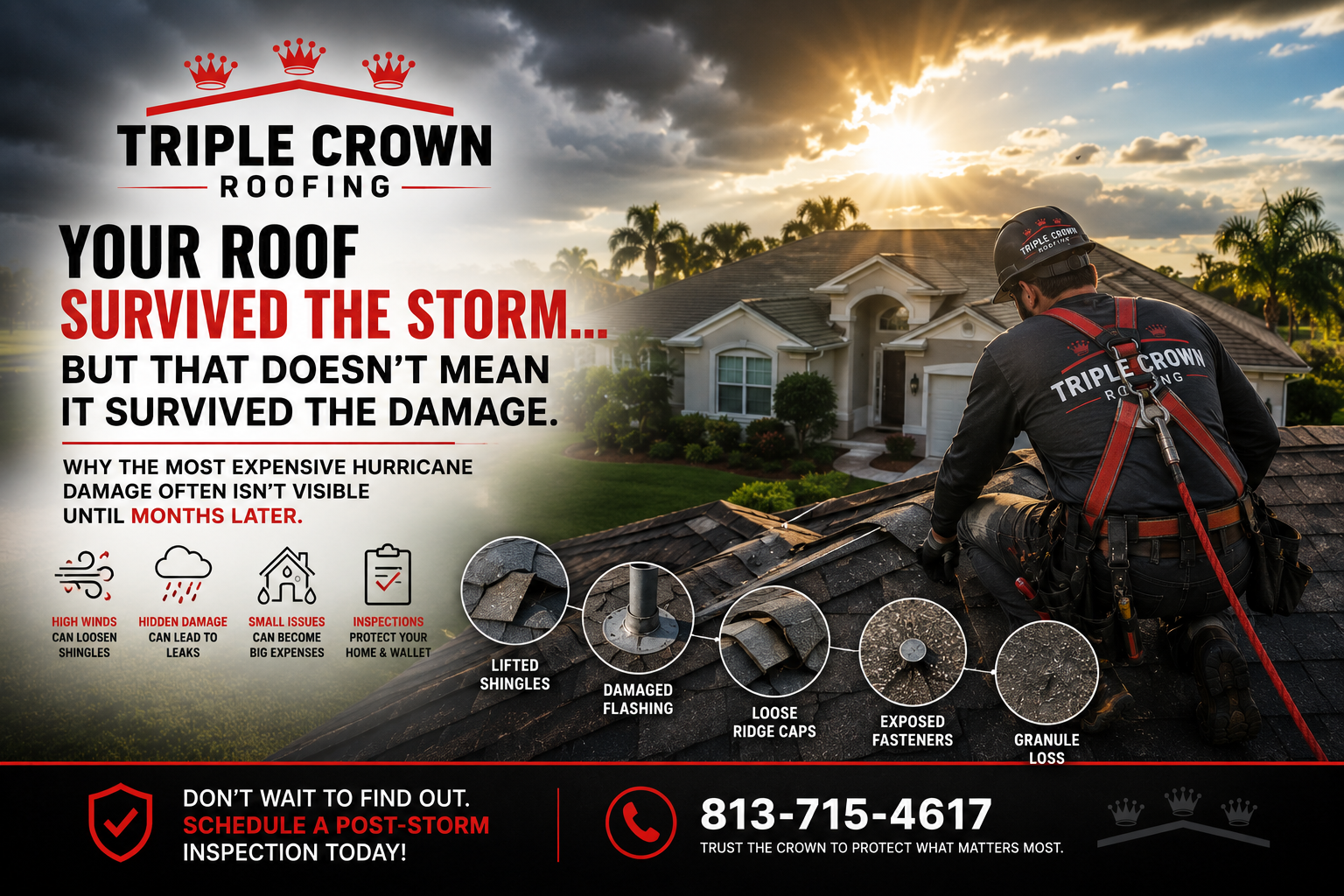
Even a roof that “looks fine” from the ground may already have weak points that storms exploit.
1. Schedule Regular Roof Inspections (Especially Before Storm Season)
A professional roof inspection can identify:
- Loose or missing shingles
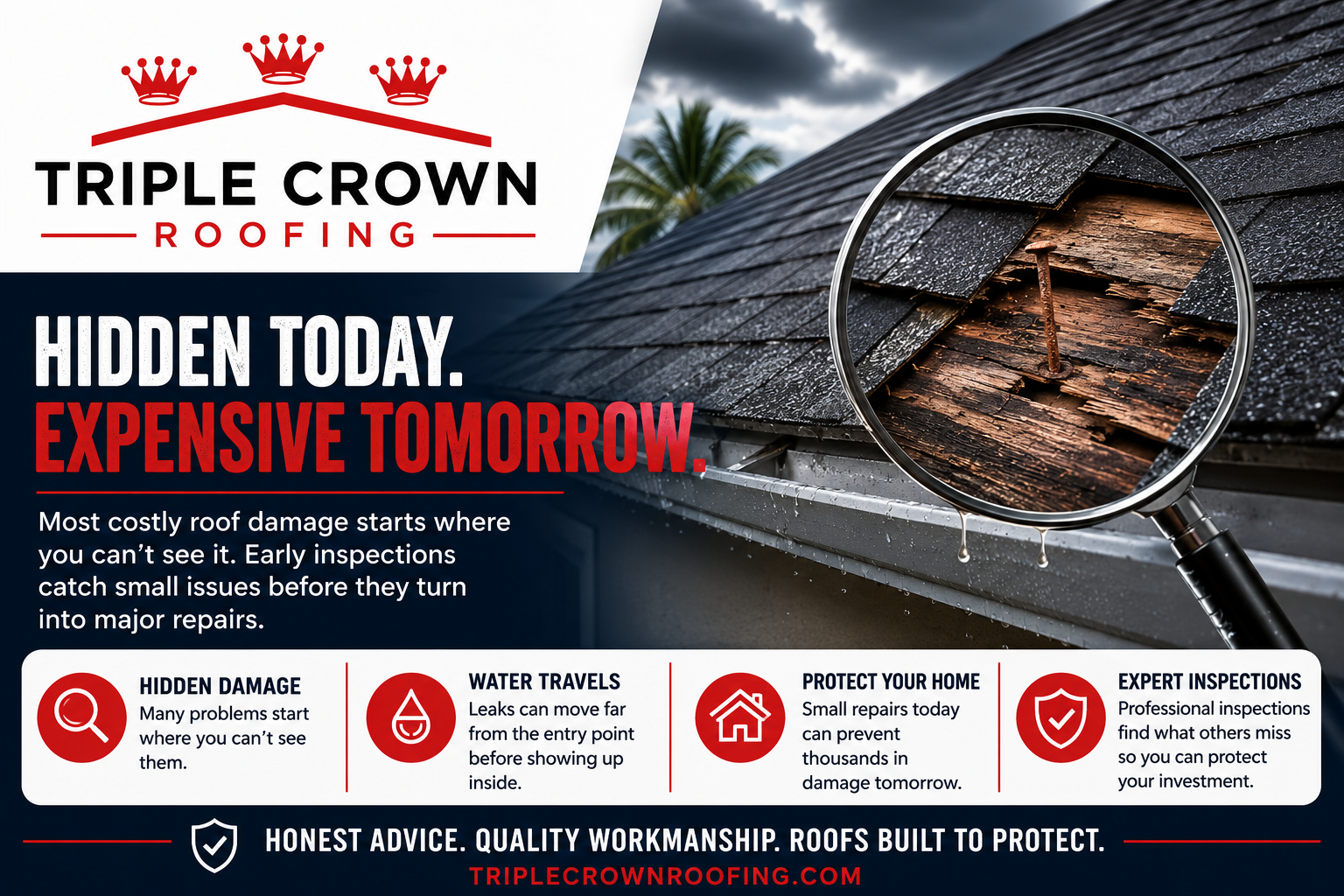
- Soft spots or decking issues
- Nail pops and flashing failures
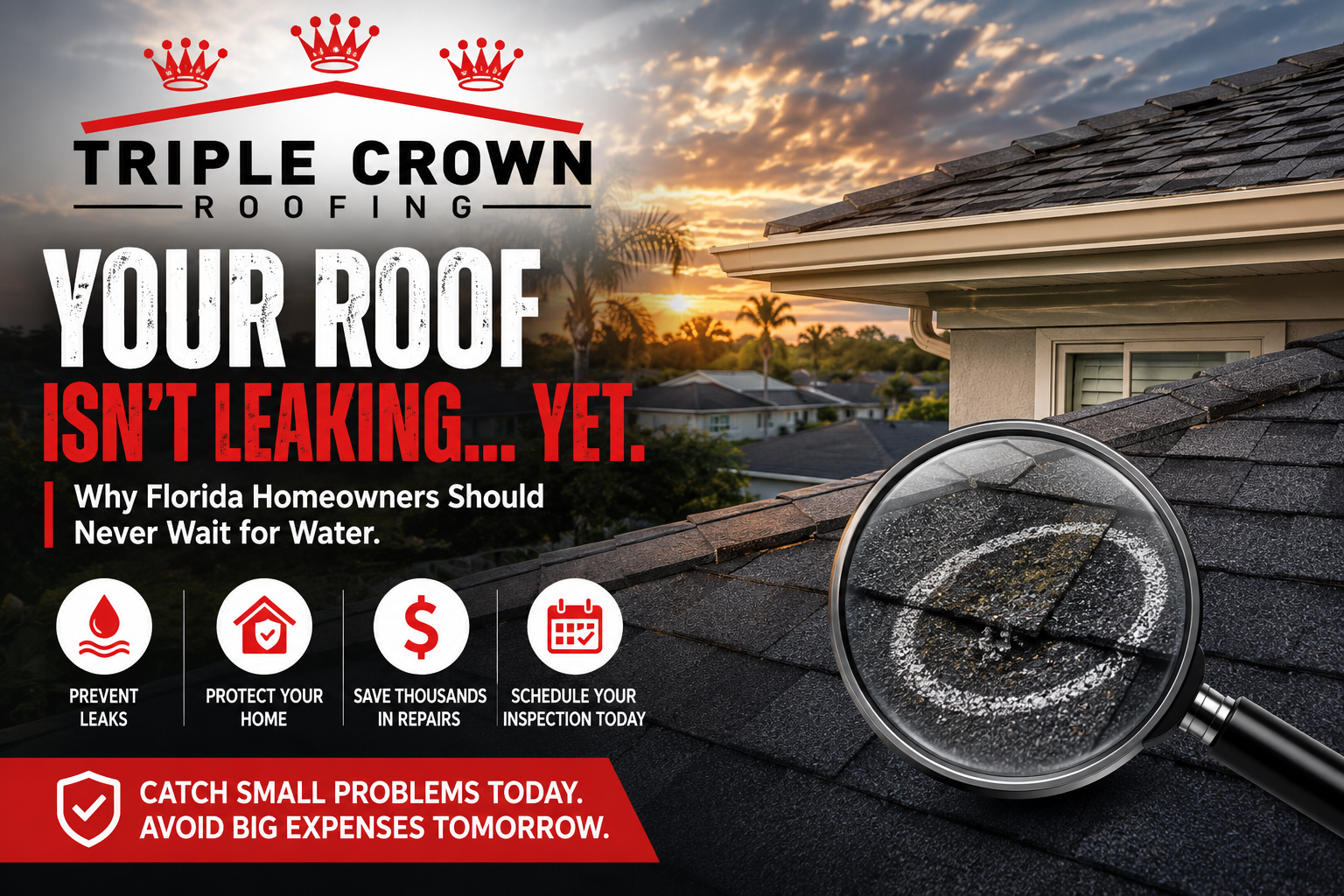
- Early signs of water intrusion
👉 Best practice: Have your roof inspected at least once a year and before hurricane season begins.
Small repairs today often prevent major damage tomorrow.
2. Choose Roofing Materials Rated for Florida Storms
Not all roofing materials are created equal — especially in high-wind zones.
Storm-resistant options include:
- Architectural asphalt shingles (high wind ratings)
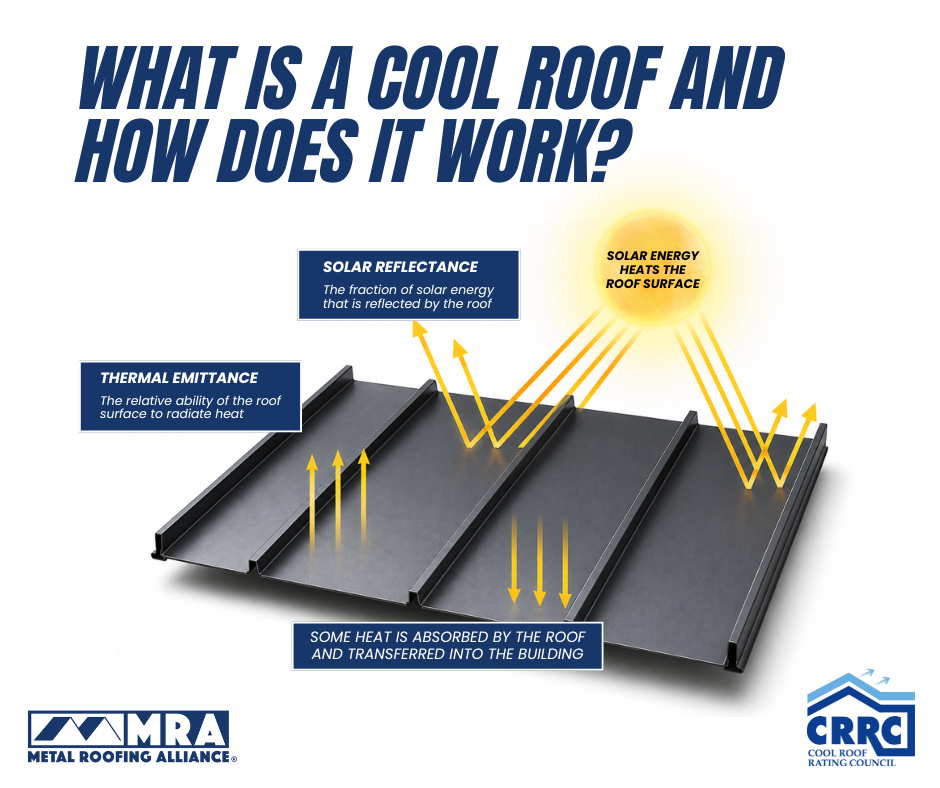
- Standing seam metal roofing
- Metal shingles designed to mimic traditional styles
Look for materials that meet or exceed Florida Building Code (FBC) wind-uplift requirements.
3. Don’t Ignore Roof Age — Even If There’s No Leak
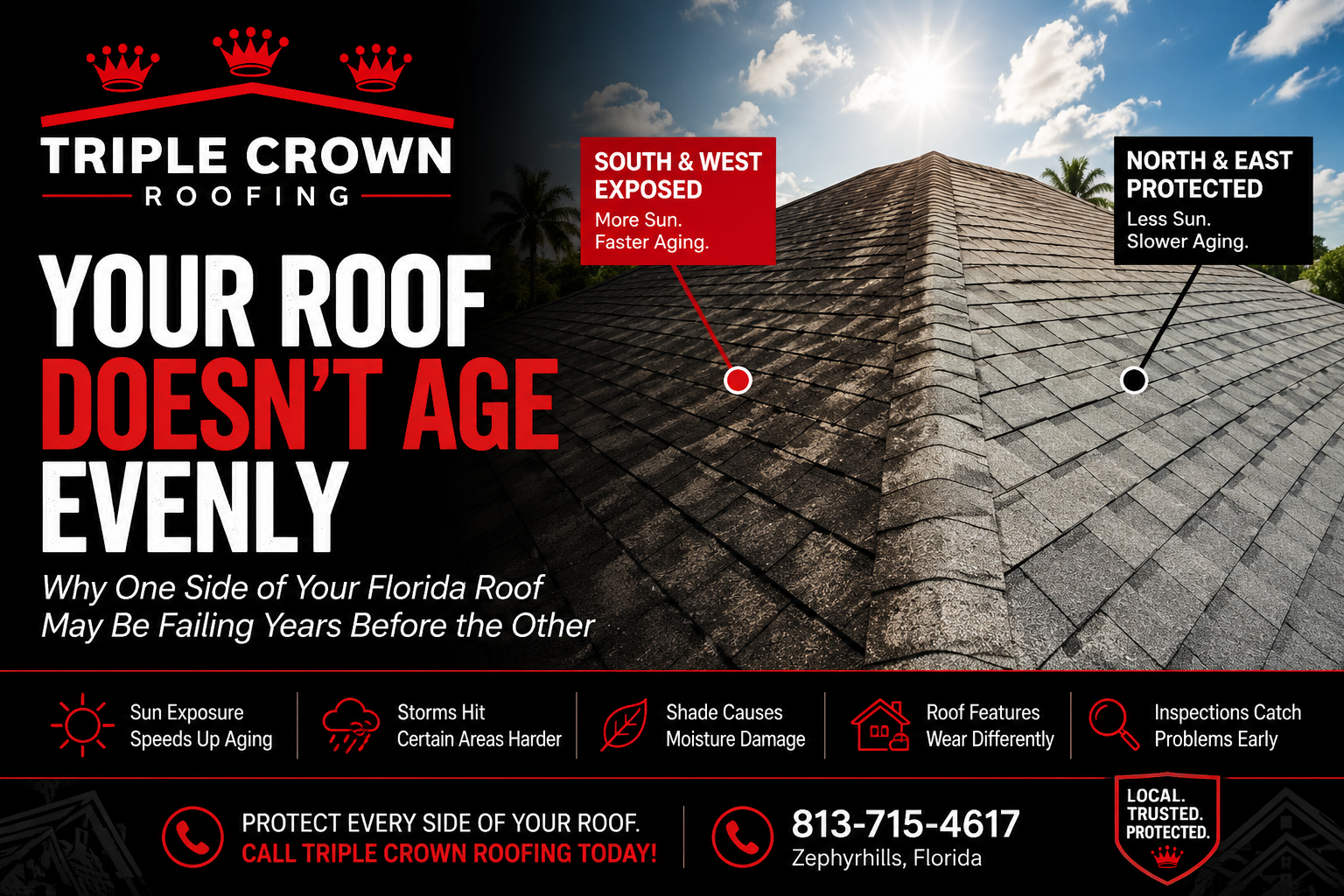
In Florida, roof lifespan is often shorter due to heat, sun, and storms.
Typical lifespans:
- Asphalt shingles: ~15–20 years
- Metal roofing: 40–50+ years
If your roof is approaching the end of its lifespan, it’s far more vulnerable to storm damage — even if it hasn’t leaked yet.
4. Secure Flashing, Vents, and Roof Penetrations
Many storm-related leaks don’t start with shingles — they start around:
- Chimneys
- Skylights
- Plumbing vents
- Roof-to-wall transitions
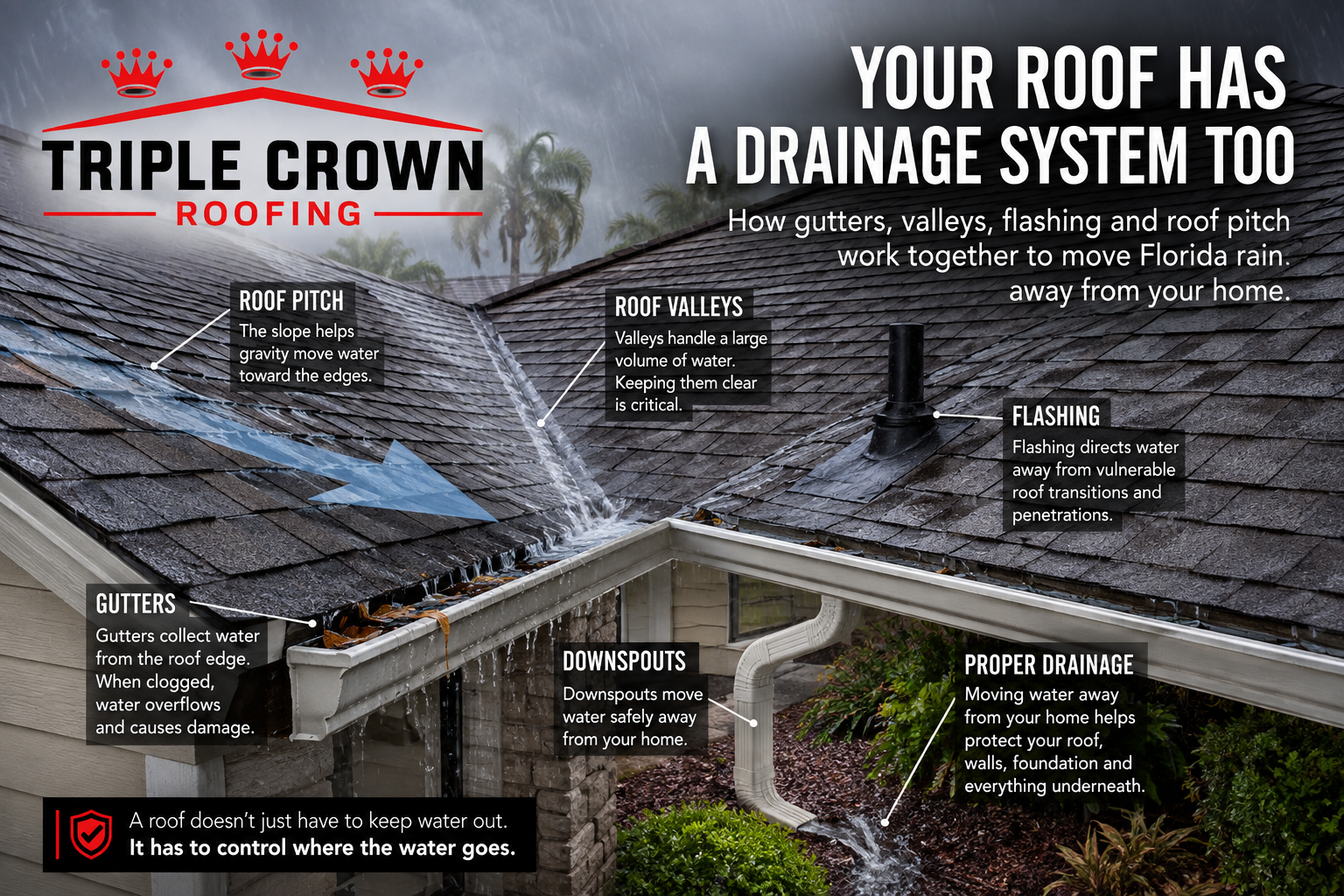
Properly sealed and reinforced flashing is critical to keeping water out during heavy, wind-driven rain.
5. Trim Trees and Clear Debris Around Your Roof
Storm damage isn’t always about wind alone.
To reduce risk:
- Trim overhanging branches
- Remove dead or weak limbs
- Keep gutters and valleys clear of debris
This helps prevent punctures, clogged drainage, and water backup during storms.
6. Know What to Do After a Storm
After severe weather:
- Visually inspect your roof from the ground
- Look for missing shingles, debris, or sagging areas
- Check ceilings and attic spaces for moisture
⚠️
Never climb on a damaged roof yourself.
Hidden structural issues can be dangerous.
Call a professional for a post-storm inspection as soon as possible.
Storm Preparation Is Peace of Mind
A storm-ready roof doesn’t just protect shingles — it protects:
- Your home’s structure
- Your belongings
- Your family’s safety
- Your long-term property value
Proactive roofing care is one of the smartest investments a Florida homeowner can make.